AI Sleep Routine: Wind-Down Plan, Scripts & Checklists
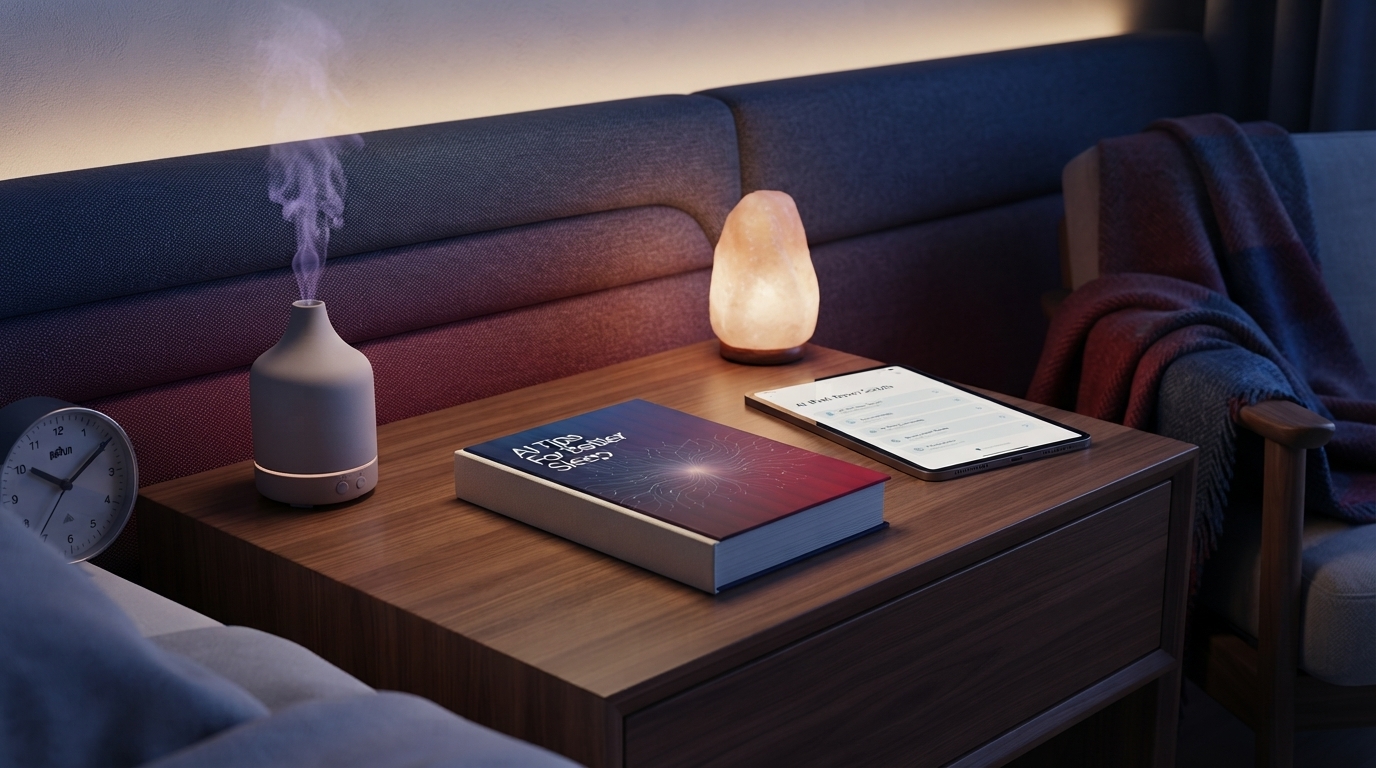
Better sleep usually comes from small, repeatable choices: a consistent routine, a calmer mind, and an environment that supports winding down. AI can make those choices easier by helping plan a bedtime schedule, generating relaxation scripts, and tailoring sleep-hygiene reminders to real-life constraints like late work, parenting, or travel. Below is a simple system for turning AI suggestions into a nightly rhythm that feels sustainable.
What “AI support” can (and can’t) do for sleep
Used well, AI acts like a lightweight coach: it helps you decide what to do next, keeps the routine simple, and reduces mental clutter at the end of the day.
- Use AI for structure: bedtime planning, habit tracking templates, and gentle accountability.
- Use AI for calming content: guided breathing cues, progressive muscle relaxation scripts, and worry-dump frameworks.
- Use AI for personalization: adapting wind-down routines to shift work, chronic stress, or limited time.
- Avoid over-reliance: AI can support habits but won’t replace medical care for insomnia, sleep apnea, restless legs, depression, or medication-related sleep issues.
- Keep expectations realistic: aim for consistent 1% improvements instead of a “perfect” night.
For evidence-based basics to anchor your routine, see the CDC’s healthy sleep habits and the Sleep Foundation’s sleep hygiene guide.
Set a stable sleep foundation first
Before refining scripts or checklists, lock in a few “big levers.” These are simple, but they compound over time—especially when you repeat them most nights.
- Pick a consistent wake-up time (even on weekends) to stabilize circadian rhythm.
- Keep caffeine earlier in the day; if sensitive, stop 8–10 hours before bedtime.
- Dim lights and reduce stimulating content 60–90 minutes before sleep.
- Keep the bedroom cool, dark, and quiet; consider white noise if needed.
- If naps interfere with bedtime, keep them short (10–20 minutes) and earlier in the afternoon.
Quick checks that improve sleep quality
| Area | Simple adjustment | When to try it |
|---|---|---|
| Light | Lower brightness; use warm lighting | 60–90 minutes before bed |
| Temperature | Cool the room; lighter bedding | At bedtime |
| Noise | White noise or earplugs | All night |
| Schedule | Fixed wake time; consistent wind-down start | Daily |
| Stimulation | Swap intense scrolling for calm audio/reading | Last 30–60 minutes |
A 30–60 minute wind-down routine that AI can personalize
The best routine is the one you can repeat on your “messy” days. Keep the steps familiar, then let AI help you adjust timing, tone, and options without adding complexity.
- Start with a “shutdown” step: list tomorrow’s top 3 tasks and one realistic first action for each.
- Add a body-downshift step: 3–5 minutes of breathing or gentle stretching.
- Add a mind-downshift step: a short gratitude list, a calming visualization, or a guided relaxation script.
- Choose one consistent cue (tea, shower, dim lights, a specific playlist) to signal bedtime.
- Keep it short enough to repeat even on busy nights; consistency matters more than length.
Example bedtime blocks (pick one track)
| Track | Minutes | What to do |
|---|---|---|
| Fast reset | 30 | 5 plan tomorrow + 10 hygiene + 10 relaxation + 5 lights out |
| Standard | 45 | 5 plan tomorrow + 10 tidy/prepare + 10 hygiene + 15 guided calm + 5 lights out |
| Deep unwind | 60 | 10 plan/brain dump + 15 shower + 10 stretch + 20 guided relaxation + 5 lights out |
Relaxation scripts that calm a busy brain
When thoughts loop, the goal isn’t to “win” against them—it’s to give your attention a softer place to land. AI can help by generating short, neutral scripts you can reuse, especially if you prefer a certain tone (simple, non-spiritual, nature-themed, or strictly clinical).
- Progressive muscle relaxation: tighten and release muscle groups from feet to face.
- Box breathing: inhale 4, hold 4, exhale 4, hold 4 for 3–5 cycles.
- Cognitive off-ramp: a structured “worry list” plus one small next step for each worry.
- Sensory grounding: identify 5 things seen, 4 felt, 3 heard, 2 smelled, 1 tasted to reduce racing thoughts.
- Keep scripts brief: 2–8 minutes is often enough to shift gears without feeling like homework.
Sleep routine planning: turn AI suggestions into a repeatable checklist
The easiest routine is the one that eliminates decisions. Build a short checklist, then only tweak it once a week—otherwise you’ll keep “reinventing” bedtime and accidentally make it harder.
Simple nightly checklist template
| Step | Target time | Notes / options |
|---|---|---|
| Screen dim + notifications off | T-60 | Use warm mode; set Do Not Disturb |
| Plan tomorrow (3 items) | T-55 | Write first action; stop after 5 minutes |
| Hygiene routine | T-45 | Keep lighting low |
| Relaxation (choose one) | T-20 | Breathing / muscle relaxation / visualization |
| Lights out | T-0 | If awake >20 min, do a calm reset then return |
Common obstacles (and gentle fixes)
For a medical overview of insomnia and when to seek care, review the NHLBI insomnia resource.
Digital support tools to keep the routine easy
- AI Tips for Better Sleep Guide (digital download) organizes a nightly system with planning pages, calming scripts, and adaptable options for real schedules.
- Fall Asleep Faster with AI checklist is a narrower, quick-start option focused on bedtime momentum and calmer mornings.
FAQ
How quickly can a new sleep routine start working?
Give it 1–2 weeks of consistency. Small improvements often show up first as an easier wind-down and steadier mornings, then deeper sleep over time.
What if relaxation exercises make it harder to fall asleep?
Shorten the session and switch to a less “effortful” method like simple breathing or neutral audio. Keep the goal as calming your body and mind, not forcing sleep.
When should sleep problems be checked by a professional?
If insomnia lasts for weeks, daytime functioning is affected, or there are signs of sleep apnea (snoring, choking/gasping, morning headaches), depression/anxiety, or medication side effects, talk with a clinician or sleep specialist.
















Leave a comment