AI Daily Workout Plan: Personalized Training Made Simple
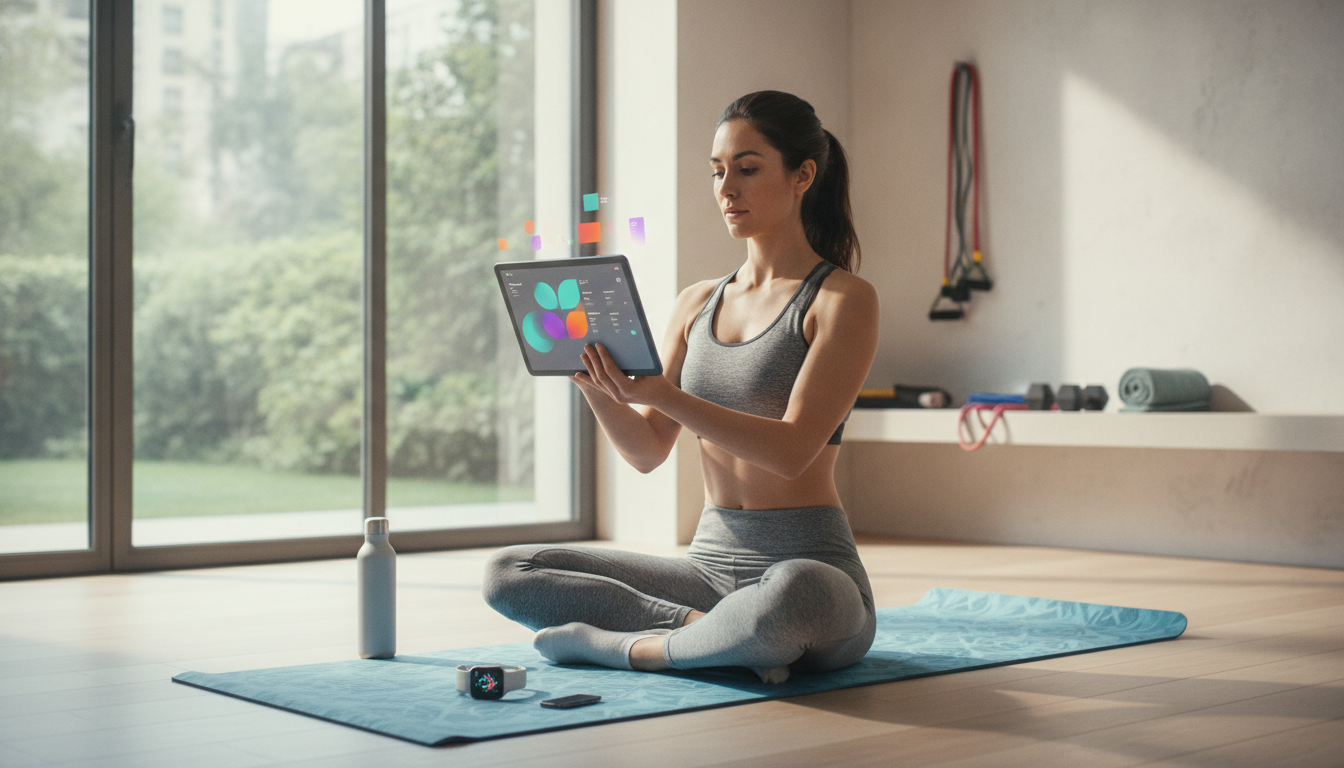
AI-Powered Daily Workout Plan Made Easy: A Digital Fitness Guide for Personalized Training
Building a consistent routine is easier when the plan is clear, adaptable, and simple to follow day after day. This digital fitness guide is designed to help turn goals (strength, stamina, mobility, fat loss, or general wellness) into a practical daily structure—using AI-friendly templates that make personalization fast, even for busy schedules.
What This Digital Fitness Guide Helps You Do
- Turn a general goal into a repeatable daily training routine without guesswork
- Adjust workouts to available time, equipment, and experience level
- Balance strength, cardio, mobility, and recovery so the week feels sustainable
- Generate variations and progressions when life changes (travel, stress, schedule shifts)
- Keep motivation high with small wins, tracking prompts, and clear next steps
If you want a ready-to-use framework you can tailor in minutes, start with AI-Powered Daily Workout Plan Made Easy | Digital Fitness Guide for Personalized Training | ai daily workout plan | Instant Download Wellness eBook for Daily Routines.
How AI Personalization Fits Into Daily Training
Personalization works best when inputs are simple, consistent, and honest. A few details are usually enough to shape a plan that feels realistic instead of overwhelming.
- Personalization inputs to define: goal, training days per week, session length, current level, injuries/limits, equipment, preferred workout style
- Daily output to expect: warm-up, main work (sets/reps/time), optional finisher, cool-down, and a short recovery note
- Progression options: add reps, add sets, increase load, reduce rest, or advance movement difficulty—based on what felt manageable
- Safety first: suggestions should be reviewed for form, pain signals, and medical limitations; stop if sharp pain occurs
- Consistency strategy: choose a minimum “non-negotiable” session length (10–20 minutes) to keep momentum on hard days
For general health targets and a helpful reality check on weekly activity goals, refer to the CDC overview of Physical Activity Guidelines and the World Health Organization physical activity fact sheet.
A Simple Daily Structure That Works (Warm-Up → Work → Cool-Down)
- Warm-up (5–10 minutes): light cardio + dynamic mobility for the joints used in training
- Skill/Form prep (2–5 minutes): practice the first main movement with an easy set
- Main work (15–35 minutes): focus on 1–2 key movement patterns (push, pull, hinge, squat, carry, core)
- Finisher (optional 5–10 minutes): short conditioning, core, or mobility circuit—kept simple
- Cool-down (3–8 minutes): breathing + gentle stretching to support recovery and reduce stress
Daily Workout Plan Building Blocks (Quick Reference)
| Workout block | Time range | Examples | What to track |
|---|---|---|---|
| Warm-up | 5–10 min | Brisk walk, marching in place, arm circles, hip openers | Energy level (1–10) |
| Main strength | 15–25 min | Squat pattern + push pattern (bodyweight or weights) | Sets/reps and effort (RPE) |
| Conditioning | 5–15 min | Intervals, incline walk, cycling, jump rope (as appropriate) | Time, distance, or rounds |
| Mobility/Core | 5–10 min | Plank variations, dead bug, hip flexor stretch | Quality of movement, discomfort notes |
| Cool-down | 3–8 min | Nasal breathing, gentle stretches | Recovery readiness (1–10) |
Sample Weekly Rhythm (Adjustable for Any Schedule)
The most sustainable weekly plan is the one that matches your calendar and recovery. Start with fewer days than you think you “should” do, then build up once the habit is stable.
- 3-day option: Full-body strength (Day 1), cardio + mobility (Day 2), full-body strength (Day 3)
- 4-day option: Upper, Lower, cardio + core, full-body or mobility-focused
- 5-day option: Strength split (3 days) + cardio (1–2 days) + mobility sprinkled daily
- Built-in recovery: at least 1 lighter day per week; sleep and nutrition influence training intensity
- Time-saver idea: pair short conditioning (10 minutes) with a 20-minute strength session for balanced results
Personalization Ideas: Equipment, Level, and Common Constraints
Personalization doesn’t require dozens of exercises—it’s mostly about choosing the right difficulty and repeating the basics often enough to improve.
If you also want a straightforward way to reduce daily decision fatigue around food, pair training with AI-Powered Weekly Meal Ideas | Digital eBook for Creating Smart, Healthy, and Easy AI Personalized Weekly Meal Ideas.
How to Use the Guide Day-to-Day (Without Overcomplicating It)
Pairing Workouts With Daily Wellness Routines
For a deeper evidence-based view of training principles and safe progression, the American College of Sports Medicine (ACSM) resources are a strong reference point.
Recommended Digital Downloads (Instant Access)
- AI-Powered Daily Workout Plan Made Easy | Digital Fitness Guide for Personalized Training | ai daily workout plan | Instant Download Wellness eBook for Daily Routines
- AI-Powered Weekly Meal Ideas | Digital eBook for Creating Smart, Healthy, and Easy AI Personalized Weekly Meal Ideas
FAQ
Is an AI-generated daily workout plan safe to follow?
It can be safe when you use conservative progressions and adjust for your health history, current technique, and pain signals. If you have an injury, medical condition, or persistent pain, consult a qualified professional and stop any movement that causes sharp pain.
What if only 10–20 minutes are available each day?
Use a minimalist session: 3–5 minutes of warm-up, one main circuit (like squats + push-ups + rows/band pulls) for 8–12 minutes, then a brief cooldown. Consistency matters more than variety, and small progressions (an extra rep, slower tempo, shorter rest) add up quickly.
Does this work for beginners with no equipment?
Yes—bodyweight basics, walking, and mobility are enough to start building strength and stamina. Progress by improving range of motion, adding reps, slowing the tempo, or using easier-to-harder variations while keeping sessions short and repeatable.
















Leave a comment