AI Weekly Meal Ideas: Personalized Plans in Minutes
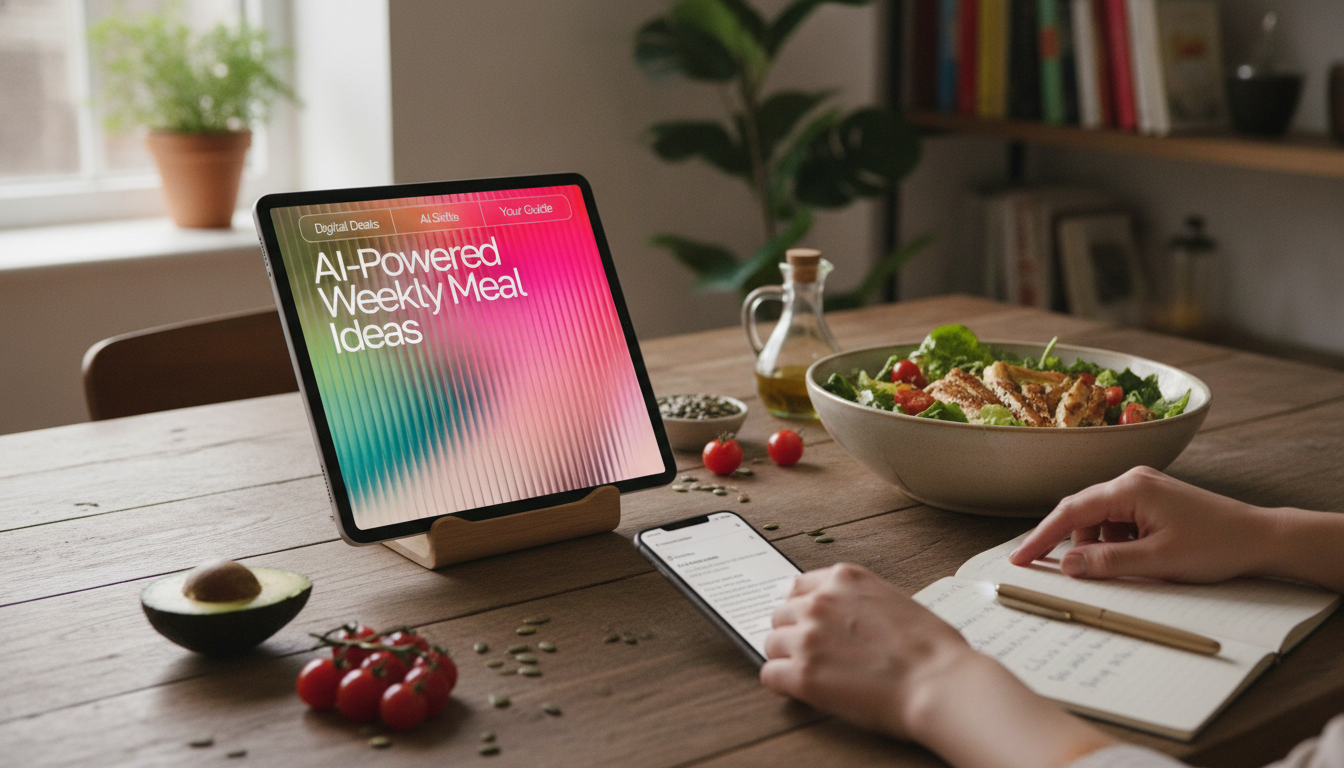
AI-Powered Weekly Meal Ideas: Build Smart, Healthy, Easy Meal Plans in Minutes
Busy schedules, picky preferences, and nutrition goals can turn meal planning into a daily stressor. A digital eBook built around AI-assisted planning helps turn scattered ideas into a repeatable weekly system—personalized to tastes, dietary needs, budget, and time—so grocery shopping is simpler and cooking feels doable.
What AI-Personalized Weekly Meal Planning Means (and What It Doesn’t)
AI-personalized weekly meal planning is a practical way to turn your real-life constraints into a usable week of meals. Instead of hunting for random recipes, you start with what matters: dietary needs, calories or macros (if you track them), allergies, available cooking time, kitchen equipment, and a budget target.
It also makes variety easier. You can rotate proteins (chicken, tofu, beans, fish), lean on seasonal produce, and build in leftover-friendly pairings so you’re not reinventing dinner every night. And because life changes midweek, the best plans aim for “good enough”—with built-in swaps when an ingredient is out of stock or a meeting runs late.
What it doesn’t do: replace medical advice. If you have a medical condition or specific therapeutic targets, confirm nutrition goals with a qualified professional. AI works best when preferences are clear, like favorite cuisines, must-avoid foods, and a realistic cooking-time ceiling (for example, “20 minutes on weekdays”).
Who This Works Best For
- Families and couples who want fewer weekday decisions and a consistent plan for breakfasts, lunches, and dinners.
- Solo eaters who want meal ideas that minimize waste and maximize leftovers for next-day lunches.
- Health-focused shoppers aiming for balanced plates (protein + fiber + color) without complicated tracking.
- Beginners who want a structured template for building weekly meal ideas step-by-step.
- Anyone who wants faster grocery lists tied directly to a weekly plan.
A Simple Weekly System: From Preferences to a Full Plan
Step 1 — Set constraints
Choose your dietary pattern (Mediterranean-style, high-protein, vegetarian, gluten-free), list allergies and strong dislikes, set your cooking-time limit per meal, define a weekly budget range, and decide servings.
Step 2 — Pick a planning style
Match the plan to your week, not your ideal week. Batch-cook if evenings are packed, use mix-and-match components for quick assembly, or fresh-cook nightly if you genuinely enjoy it.
Step 3 — Build the week
Keep it repeatable: 2–3 breakfasts, 2–3 lunches, and 5–7 dinners with 1–2 leftover nights. Repeating a few anchors is what makes the plan sustainable.
Step 4 — Create the shopping list
Group by aisle (produce, proteins, pantry, dairy, freezer) and note substitutions so you don’t stall if something is missing. This is where the time savings compound week after week.
Step 5 — Prep once
Wash/chop produce, cook one grain, and prep one protein. Even 30–45 minutes of light prep can turn “I have nothing to cook” into “dinner is basically done.”
Meal-Plan Templates You Can Reuse (Fast Rotation Ideas)
Templates reduce decision fatigue while still keeping meals interesting. Rotate these structures, then swap flavors and proteins to match your preferences:
Example weekly structure (swap meals to match preferences)
| Day | Breakfast | Lunch | Dinner | Prep/Leftovers Tip |
|---|---|---|---|---|
| Mon | Greek yogurt + fruit | Turkey/veg wrap | Sheet-pan chicken + vegetables | Roast extra vegetables for Tue lunch |
| Tue | Overnight oats | Leftover roasted veg bowl | Taco bowls (beans or beef) | Cook extra rice for Thu |
| Wed | Eggs + toast | Big salad + protein | Pasta with marinara + spinach | Make double sauce to freeze |
| Thu | Smoothie | Leftover pasta | Stir-fry (tofu/chicken) + rice | Use frozen veg to save time |
| Fri | Cottage cheese + berries | Soup + side salad | Homemade pizza or flatbreads | Prep toppings ahead |
| Sat | Pancakes or waffles | Leftovers buffet | Slow-cooker chili | Freeze portions for busy nights |
| Sun | Avocado toast | Snack plate | Grilled or baked fish + salad | Plan next week and restock staples |
Making It Healthier Without Making It Harder
Healthy planning doesn’t need perfection—just a consistent structure. A simple guide is the balanced plate approach: protein + high-fiber carbs + healthy fats + at least one fruit/vegetable. For an easy visual, compare your meals to USDA MyPlate or the Harvard Healthy Eating Plate.
Grocery Lists That Match Your Week (and Reduce Waste)
Digital eBook: AI-Powered Weekly Meal Ideas
If you want a repeatable system rather than a one-off menu, AI-Powered Weekly Meal Ideas | Digital eBook for Creating Smart, Healthy, and Easy AI Personalized Weekly Meal Ideas is designed to help turn preferences and constraints into a practical weekly plan that feels personal.
For a complementary routine upgrade—especially if late nights make meal planning harder to stick with—pair it with Fall Asleep Faster with AI | AI Help Falling Asleep Faster | Digital Checklist for Restful Nights and Calm Mornings.
And if you create your own meal-prep notes, family rotation lists, or recipe blurbs, AI Tips to Elevate Your Writing Voice | Editable Writing Tone Checklist can help you keep instructions clear and consistent.
FAQ
Can weekly meal ideas be personalized for allergies or specific diets?
Yes—start with clear constraints (allergens, dietary pattern, disliked foods) and build a rotation that includes pre-planned substitutions. For medical needs or complex restrictions, confirm targets and safety with a qualified healthcare professional.
How long should weekly meal planning take?
Once you have a system, it often takes about 10–30 minutes. Reusing templates, repeating a couple breakfasts, and planning one leftover night can cut the time even more.
How can meal plans stay flexible when schedules change?
Assign 2–3 “floating” dinners that can move to any night, keep freezer-friendly meals ready, and stock backup basics like eggs, frozen vegetables, and canned beans for fast pivots.
















Leave a comment