Micro-Task Mastery: AI Checklist for Daily Momentum
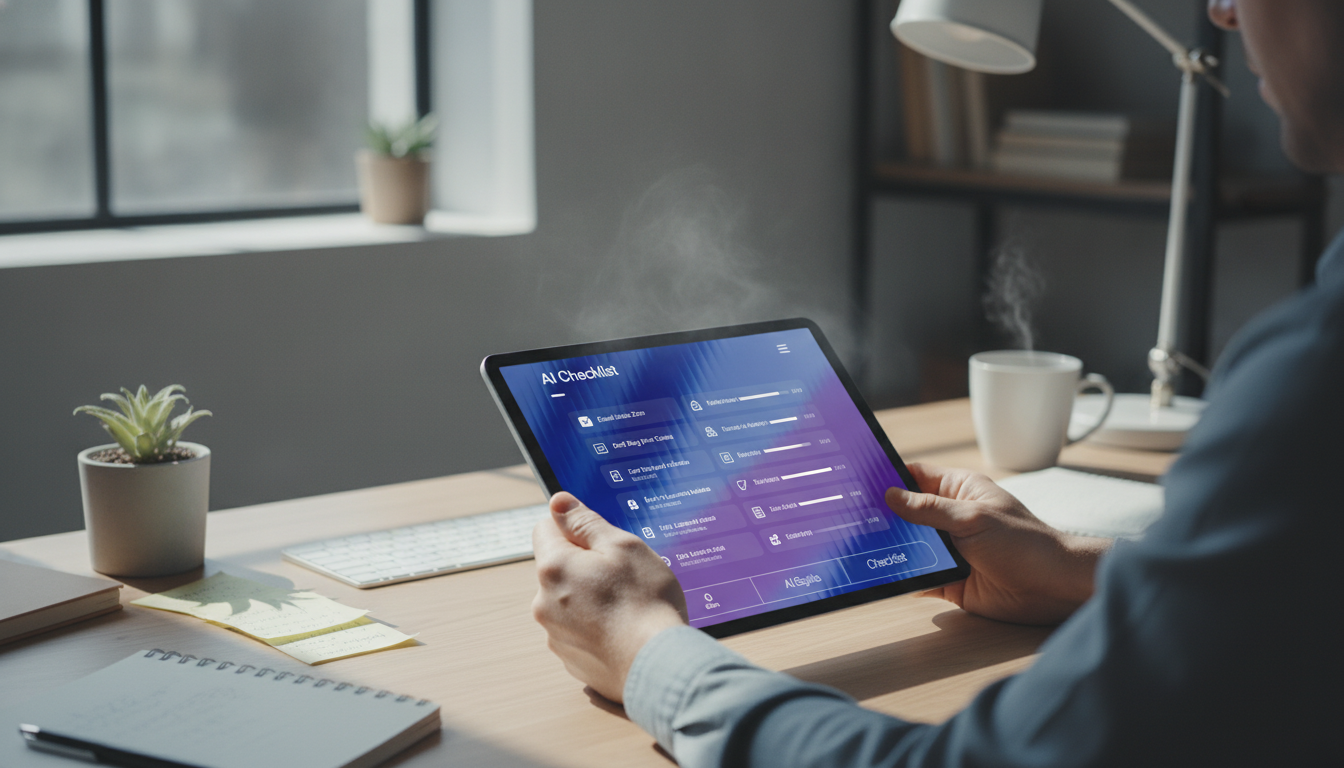
Micro-Task Mastery: An AI-Powered Checklist for Smarter Daily Progress
Small tasks are often where momentum is won or lost: quick follow-ups, tiny fixes, short messages, and “two-minute” items that quietly multiply. An AI-assisted checklist makes these micro-tasks visible, trackable, and easier to finish—without turning the day into endless planning. This digital download is designed to help break work into actionable steps, use AI tools to reduce friction, and keep progress moving with a simple system that fits real schedules.
What micro-tasks are (and why they matter)
Micro-tasks are small, clearly defined actions that can usually be completed in 2–15 minutes—think “send a note,” “rename a file,” or “schedule the appointment.” They matter because they close “open loops”: unfinished little items that keep resurfacing during focused work and pulling attention away from higher-value tasks.
When a to-do is vague (“handle invoices”), it takes extra mental energy to start. Turning it into micro-steps (“download invoices,” “check totals,” “send payment email”) lowers the activation energy needed to begin, which increases follow-through. A micro-task approach works best when tasks are visible, time-bounded, and reviewed routinely so the list doesn’t become a cluttered archive.
How an AI-powered checklist helps day-to-day
AI can remove the “blank page” moment that stalls execution. Instead of staring at a broad goal, you can convert one sentence into step-by-step next actions, then refine them into quick, finishable items. When the checklist includes consistent fields—project, priority, time estimate, status—it becomes easier to sort, search, and decide what to do next.
AI also helps sequence work: what must happen first, what can be delegated, and what can be batched. That structure reduces decision fatigue, especially for recurring situations like admin catch-up, client follow-ups, or home errands. Over time, progress becomes measurable because small wins add up—and the checklist makes it obvious what’s stuck and needs attention.
What’s inside the Micro-Task Mastery digital download
Micro-Task Mastery: The Ultimate AI-Powered Checklist (Digital Download) is built around a ready-to-use structure for capturing, clarifying, and completing small tasks without over-planning. It includes AI-friendly fields that encourage consistent task input—outcome, next action, time estimate, blocker, and a clear “done means…” success definition.
The flow is intentionally lightweight: capture → sort → execute → review. It’s designed for short sessions (5–10 minutes) so it fits real schedules. A weekly reset routine helps prevent backlog creep and keeps priorities aligned with the time you actually have, not the time you wish you had.
If your micro-tasks include writing and content work, pairing it with AI Tips to Elevate Your Writing Voice (Editable Checklist) can help turn “draft post” into tighter micro-steps like “set tone rules,” “rewrite openings,” and “polish for clarity,” so creative work moves forward without endless tinkering.
Set it up in 15 minutes
The fastest way to make micro-tasks work is to choose a single home for the checklist—notes app, spreadsheet, task app, or a printable—so you don’t end up with competing lists. Create three default buckets (“Today,” “This Week,” “Waiting/Blocked”) and keep “Today” ruthlessly realistic.
Add time estimates in minutes to expose overloaded days. Then pick one simple priority rule (for example: revenue/grades/health first, then maintenance). Finally, schedule two micro-task sprints (10–20 minutes each) to clear quick wins without breaking up deep work.
Quick start: from capture to done
| Step | What to do | Time |
|---|---|---|
| Capture | Write every loose task in one place without judging | 3 min |
| Clarify | Rewrite each item as a single next action | 5 min |
| Estimate | Add minutes and a “done means…” note | 3 min |
| Execute | Run a short sprint and finish the smallest items first | 10–20 min |
| Review | Move blocked items to Waiting and pick a new next action | 3 min |
Use AI tools to track tasks without losing control
For additional context on keeping performance sustainable, the Harvard Business Review piece Manage Your Energy, Not Your Time is a useful reminder that the right micro-task at the right moment can protect focus instead of draining it.
Micro-task routines that keep momentum
When procrastination shows up as avoidance of “small” tasks, it often helps to clarify the first step and reduce uncertainty. The American Psychological Association’s overview on procrastination highlights practical strategies that pair well with micro-tasking, especially when you commit to a tiny, concrete start.
Common pitfalls (and quick fixes)
For planning that sticks, “if-then” style commitments are especially effective. James Clear’s explanation of implementation intentions fits naturally here: “If it’s 3:00 PM, then I run a 15-minute micro-task sprint.”
Who this checklist works best for
Digital download details and ways to use it
FAQ
What makes a task “micro” instead of just another to-do?
A micro-task is a single, clear action with a specific finish line, usually taking about 2–15 minutes. If it feels bigger than that, split it into smaller next actions until it becomes easy to start and easy to complete.
Can this work with a task app, or is it only for printing?
It works either way. You can copy the checklist fields into a notes app, spreadsheet, or task manager, and printing is optional if you want a distraction-free setup.
How does AI help without adding more steps?
AI is most useful at a few moments: converting vague goals into next actions, suggesting consistent tags, and summarizing your list into a short execution plan. Keep the daily routine simple and use AI only when it reduces friction.















Leave a comment